
Day 23 – Equipment
Lesson
Topic Point: Soccer looks very similar to the original game. While equipment isminimal, one cannot help but notice it’s evolution. Some notable technologicaladvancements include:
· The ball – honestly it can be abunch of rags bound together into a ball. However, the game initially utilizedleather or animal bladder. Leather would be filled with a soft material. Whenrubber was developed, it was used to make the soccer balls more durable andconsistent in shape. Now, soccer balls are made with a variety of layers andmaterials for durability yet compliance for players’ skills.
· The boots – initially wereliterally boots. Players wore work boots or regular shoes which offered no gripor traction on grass. Toward the late 1800s, players hammered tacks into theboots for traction. In the 1900s, shoes were made specifically for soccer thatutilized lighter material and incorporated rubber or metal studs for traction.Over time, the shoes became even more technical to include a variety of uppersurfaces (the body of the shoe) for ball control or adding spin to the ballwhen passing or shooting. There are also various contours to mold to theplayers’ feet. There are a variety of stud sizes and patterns to suit players’preferences for traction and mobility.
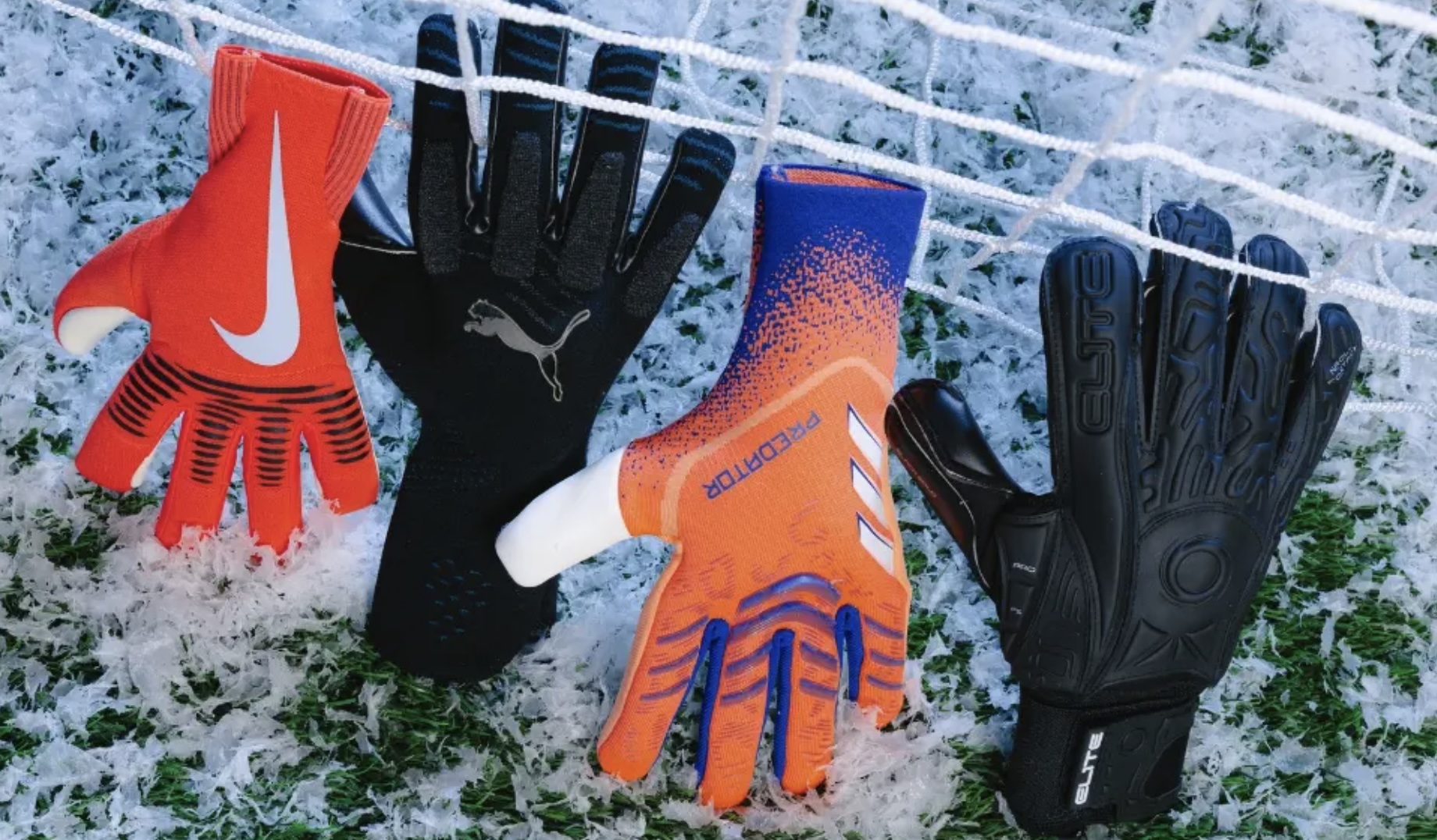
· Goalkeeper gloves – goalkeepersinitially played barehanded. The sting involved when making a save could bequite uncomfortable due to the force of the shot and the ball material.Sometimes gloves used for gardening or other sports would be used. Some goalkeepersplayed barehanded into the 1970s and early 80s. However, by the 1970s, manygoalkeepers were using specially designed gloves to improve grip and protectthe fingers. Now gloves are highly technical pieces of equipment for variousweather conditions and grip preferences.
· Shin guards – Shin pads wereused by the ancient Greeks. Known as greaves, soldiers and athletes wore themto protect their lower legs from injuries. The first use of shin pads in socceris believed to be by Samuel Widdowson in 1874. A player for Nottingham ForestFootball (soccer) Club, he cut cricket pads to fit his shins. Through the early1900s, various methods and materials were used for shin pads includingnewspaper. Use was optional, and as the game grew in popularity andsophistication, many players chose not to wear shin pads due to interferingwith their comfort. The first branded, commercially manufactured shin guard isbelieved to be made by Adidas in the 1950s. Through the 1980s, perhaps as manyas 30% of players did not wear shin guards. Some liked to push their socks downaround their ankles. In 1990, FIFA made it mandatory for players to wear shinguards underneath their socks.
· Kits (uniforms) – To bediscussed more tomorrow! Uniform style has changed quite a bit over time.
· Modern changes – Wearabletechnology is a major part of training and game use to monitor players fortheir health and to maximize performance.
Ted Lasso: Thereis not much reference to equipment in the show. We will discuss the kitstomorrow. However, Ted does comment that he cannot believe the players don’twear pads in soccer (S2E3). Also, you may note Jamie Tartt demonstrates themethod of shin guard/sock wear preferred by some professional players.Essentially, the guard is small and placed in such a way that it providesminimal protection to the shin.
Soccer-related note: Despite making the use of shin guards mandatory, a tremendous amountof laxity exists within the rule itself. The International Football AssociationBoard Laws of the Game states that shin guards must be worn by all players, and“must be made of a suitable material and be of an appropriate size to providereasonable protection and be covered by the socks.”[1]You will see many players with their socks pushed ½ way down their lower leg,exposing the upper shin and calves. You can make out, sometimes, flimsy paddingunderneath the sock that is covering a portion of the lower leg.
French International Michael Olise entereda UEFA Champions League game for Bayern Munich in November 2024 without shin guards.The 4th official spotted this and made him put shin guards on.Later, with no one watching, Olise took them out and tossed them aside! Manyplayers also choose not to wear shin guards during training.
American Sports comparison: The most notable, and perhaps remarkable, optional use of equipmentin sports was the helmet in ice hockey. The NHL made helmets mandatory forplayers entering the league starting June 1, 1979. Players in the league priorto June 1979 were not required to wear helmets, thus leaving a mix of helmetedand non-helmeted players until 1997 when the last player to be exempt fromwearing a helmet retired (Craig MacTavish).
In American Football, much of the currentpads worn, including helmets and facemasks, were initially optional. Originalhelmets were made of leather and mandatory in college until 1939, and in theNFL until 1943. The NCAA only mandated shoulder pads in 1974. A comparableAmerican football version of the player attire preference is when footballplayers choose not to wear long sleeves under their pads and jersey during anoutdoor winter game. This is a particular source of pride amongst players ofthe northern teams.
[1] O’Neill, Caoimhe, Footballer’s Shin Pads – The Piece of EquipmentSome Pros Prefer Not to Wear. The Athletic, Jan 16, 2025.
Interactive: Below are images of shin guard styles and goalkeeper gloves. Included below are links to the source, soccer.com, one of the largest and best known online retailers of soccer equipment in the world. Interestingly, soccer.com is a family-owned business that started in the 1980s as Eurosport. As a kid and young adult, I subscribed to get their catalog in the mail and ordered various items from them.

The game balls that will be used in the 2026 World Cup need to be charged before every match! Click the link below to a video on Instagram that explains the sensor technology of the game ball!
https://www.instagram.com/reel/DY57_l_ggRo/
For additional info:
https://sports.yahoo.com/articles/2026-fifa-world-cup-ball-171931236.html
Finally, click the links below to see the evolution of the helmet in American football, and the history of helmet use in ice hockey.
0 Comments